First year done.
Two weeks ago, my second year began. Returning to campus after a long summer break made me reflect on everything I went through to reach this point. The first year was a roller coaster, filled with highs and lows, moments of despair, and bursts of joy as I discovered what I truly enjoy doing. I faced burnout but also moments of insight and growth. In this post, I want to reflect on my first year experiences, where I am now compared to a year ago, and offer a glimpse to anyone curious about studying computer graphics in general or specifically here in Skellefteå.
Since there’s a lot to cover, I’ll divide this into two parts, with this one focusing on the first two semesters.
First Semester: A Crash Course
The first course, Introduction to Computer Graphics, launched me straight into the deep end. The course structure was intense – every week, we had multiple assignments due by Sunday night, only for new tasks to arrive Monday morning. The pace was relentless, and the work challenging.
One of the first tasks was a collage and exhibition. We were asked to create visual representations that told something about ourselves and what inspired us to pursue CG. On Friday of the first week, we presented these collages to the entire class and the teachers. While it was a great way to get to know others, it was nerve-wracking to explain our life and creative choices in front of everyone.
Week two was, without a doubt, the hardest. Whenever something tough came up later in the year, I’d remind myself, If I survived that second week, I can survive this too! This week was packed with challenges, and I was completely unprepared. We had assignments across three different programs I had never used before: Maya, Nuke, and Unreal Engine.
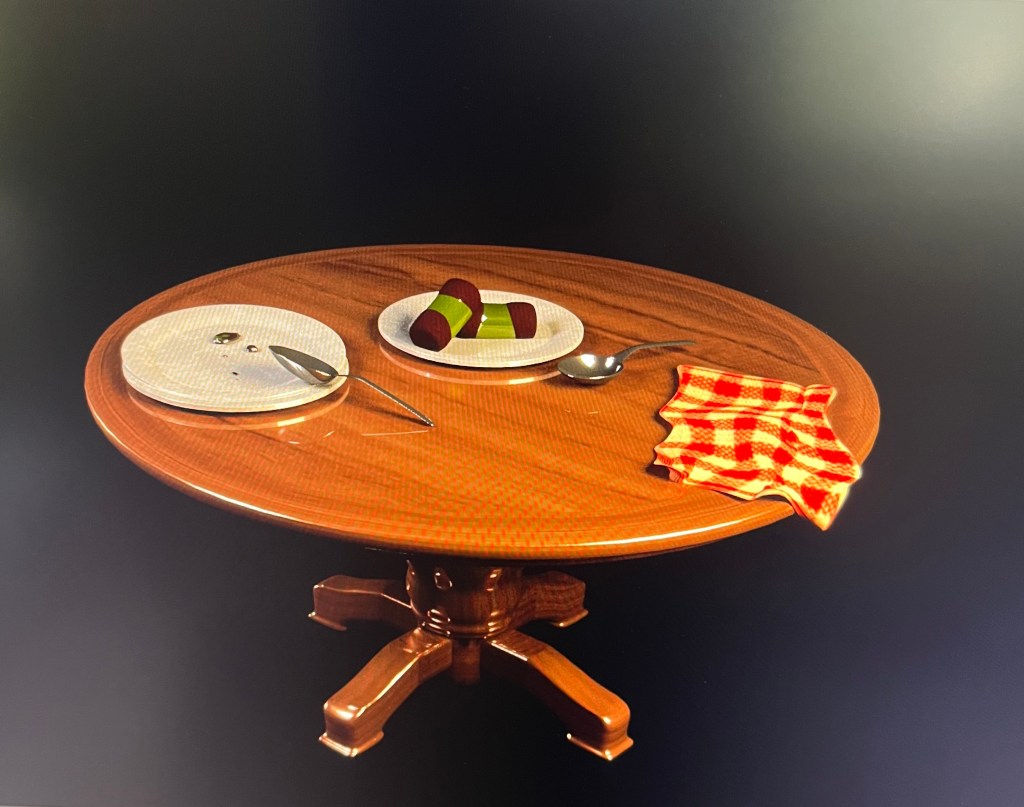
- Monday: The Maya project. We had one day to model and texture a given object (dammsugare cake) on a table. I had never opened Maya before, so this was a nightmare. I stayed up almost all night to finish.
- Tuesday: Nuke. We had to remove a green screen, composite a believable background, track footage, and color correct—again, all without prior knowledge.
- Wednesday: Unreal Engine. Our task was to create a short 2D platformer game. I was crying.
- Thursday: Prepare a presentation about the industry pipeline and where we saw ourselves fitting in.
- Friday: Deliver a presentation in front of whole class.
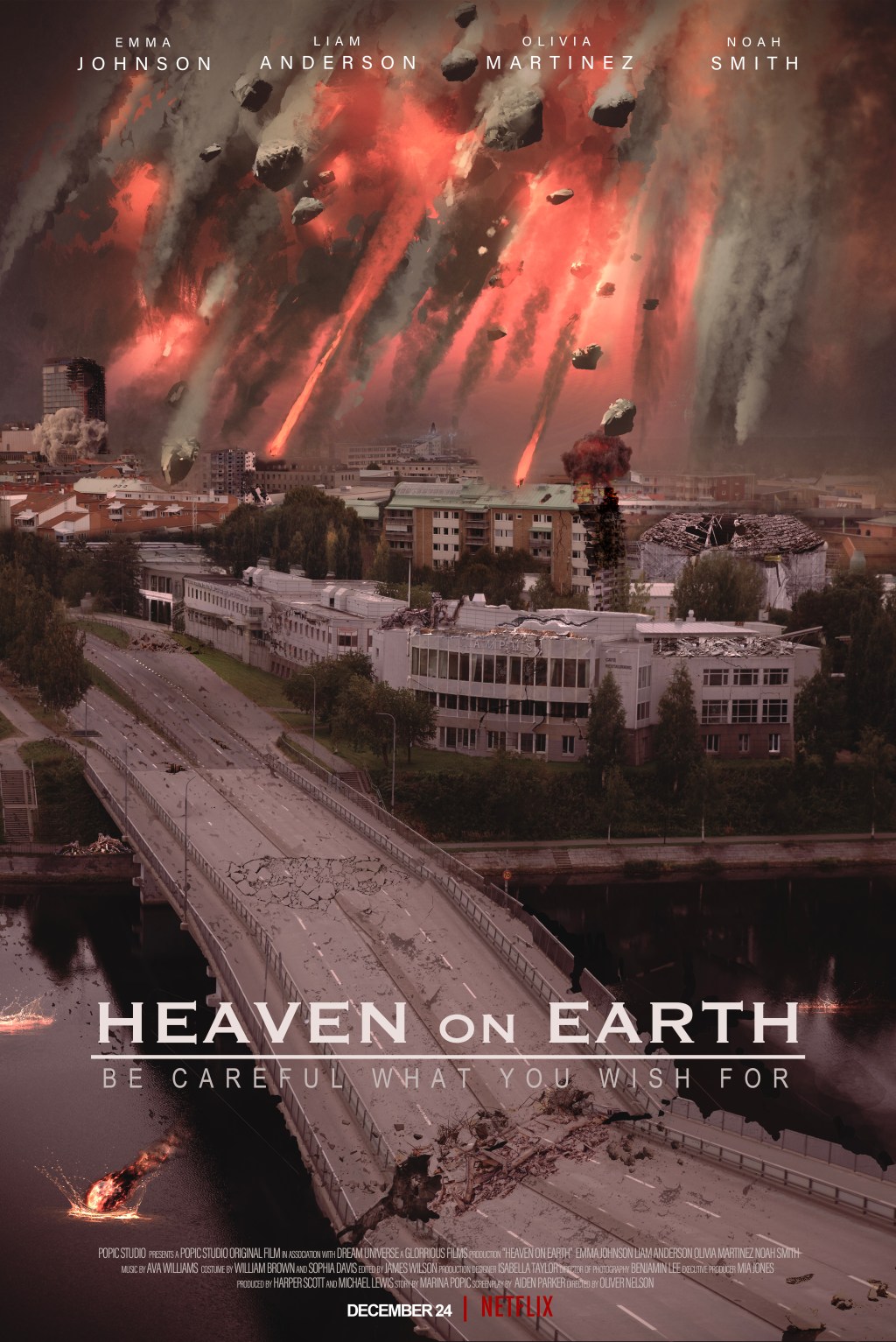
That entire week was filled with frustration and tears. I was overwhelmed, but somehow I pushed through. The course continued with more varied assignments like creating movie posters, dynamic sketching, live drawing, portrait photography, digital painting, and video editing, along with written seminars and presentations.
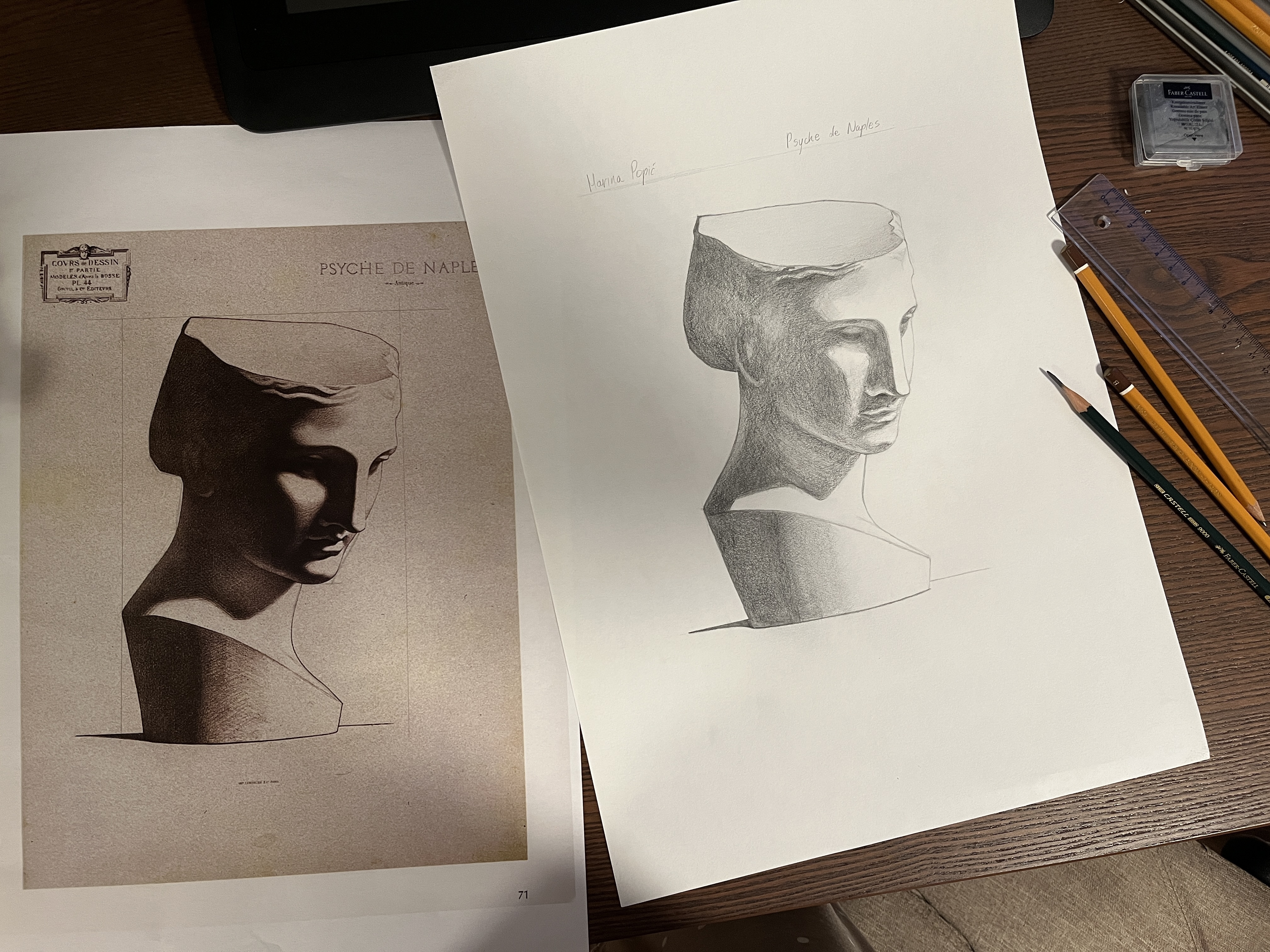
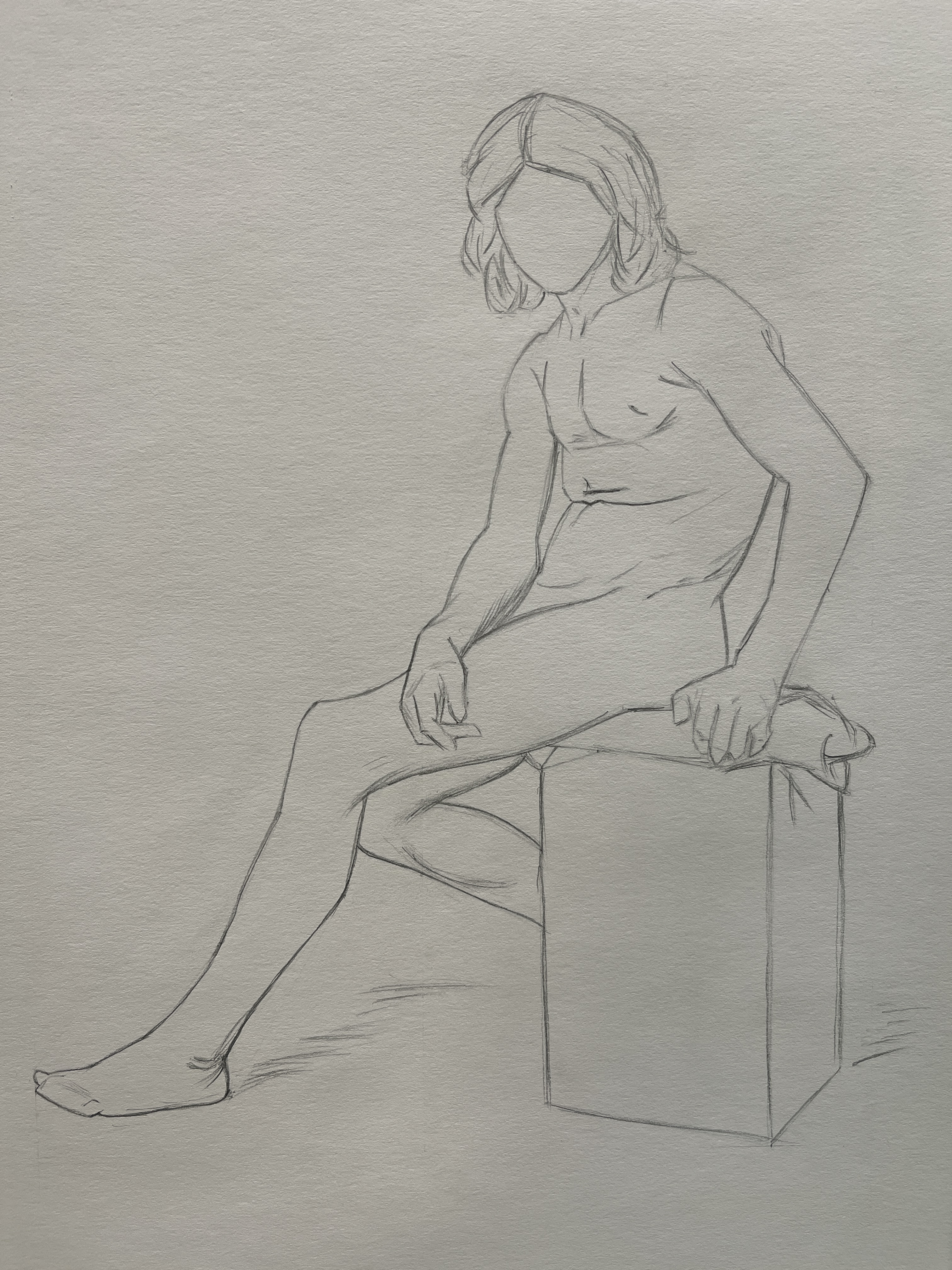
From drawing classes.
In hindsight, this course really was an introduction to all the foundational aspects of CG. Its goal was to teach mostly the visual aspects of working in this industry and give us a glimpse into the different fields within the industry. It was also an early indicator of whether CG was the right path for us. Many students dropped out during or after this course, realizing how intense the workload and competition can be. (I was also at the verge of giving up).
However, I’m glad I stayed. I learned so much during this semester – about some CG tools, the importance of sketching for CG artists, and the industry pipeline. Most importantly, I realized how competitive the CG industry is and that if I wanted to stand out, I’d have to work incredibly hard.
Second Semester: Finding My Jam
Design Processes and Methods was the second course, and it quickly became my favorite. It was still intense, with weekly assignments and tight deadlines, but this is where I discovered my love for set design.
This course was mostly about concept design. We focused on the process of designing – from gathering references and creating mood boards to iterating on ideas. I loved every bit of it. Assignments included character design, set design, and creating another movie poster – this time entirely as a drawing.
While I enjoyed the course, I quickly realized that it only scratched the surface. There’s so much to learn, and I had to do a lot of self-study to keep up. For example, character design wasn’t thoroughly explained. I ended up reading “The Skillful Huntsman” to understand how to create thumbnails, silhouettes, and iterate on ideas. Similarly, I found incredibly valuable resources for set design through the FZD School on YouTube. Feng Zhu’s lessons became a personal favorite, and they still inspire me today.
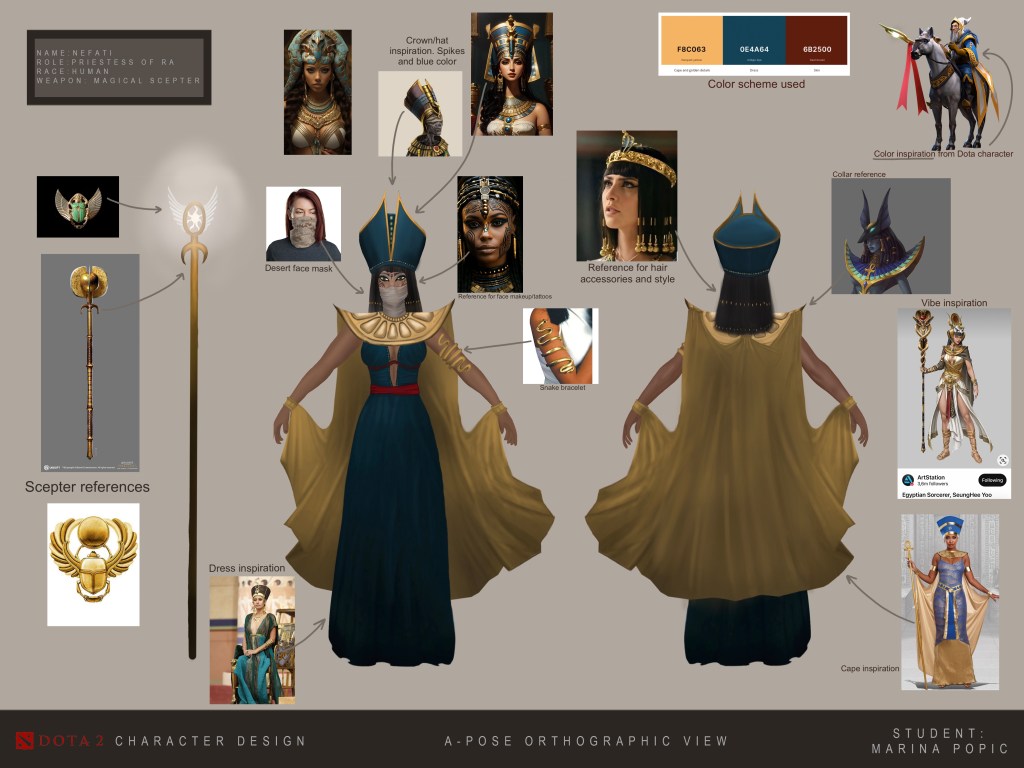
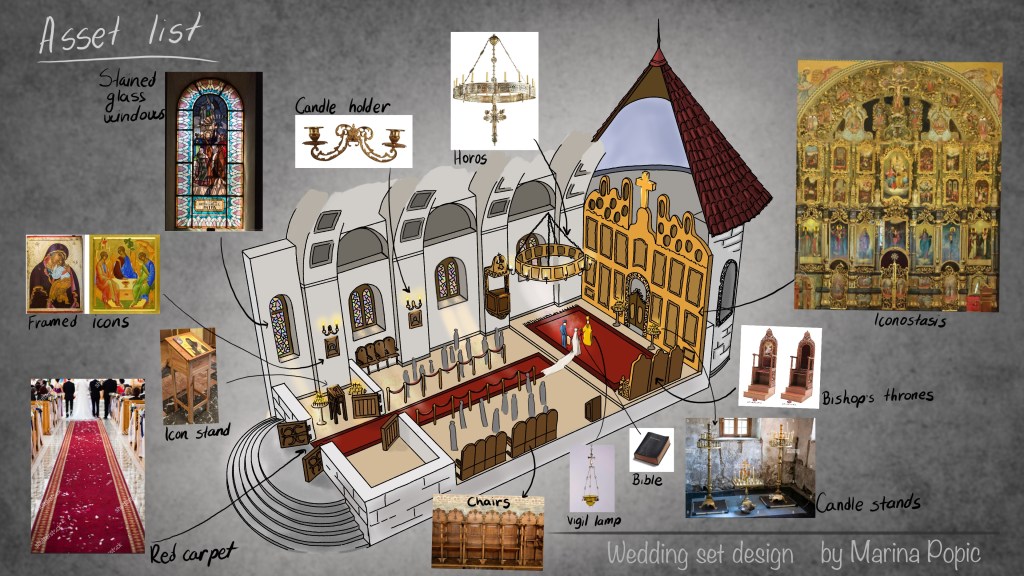
The last four weeks of the course were group projects. These were divided into two parts:
- Stop Motion Film: We worked in teams to create a short stop motion film. Theme was Brothers Grimm tale. My group was ambitious, so we built most of the props ourselves, filmed, and edited everything in just one week. We then presented the film to industry professionals and received feedback. This felt like a glimpse into the real world of CG production, and here I experienced the satisfaction of creating something from scratch and witnessing it come to life in the final result.
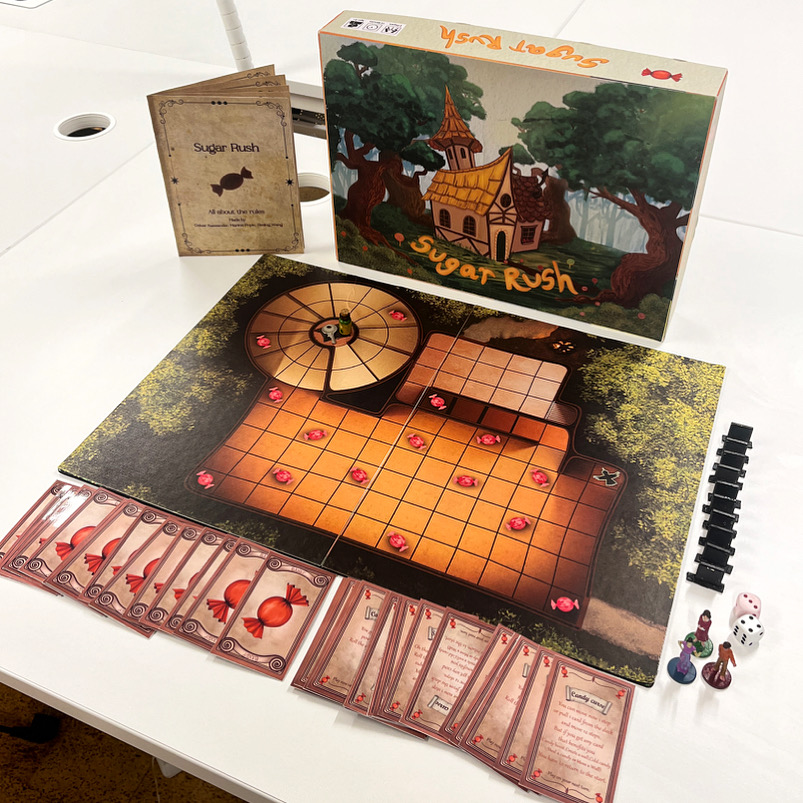
- Board Game Design: For the second project, we created a complete board game, including the gameplay mechanics, board design, cards, and a rule book. This required a lot of creative thinking and collaboration. But again, seeing the final physical product and other people playing the game made it all worth it.
By the end of the semester, I was exhausted. The workload was intense, and burnout hit hard. Over the winter break, I spent three weeks doing nothing, just recovering from the whirlwind of the first half.

 Render & Roam
Leave a reply to My first year of Computer graphics at LTU (Pt. 2) – Render & Roam Cancel reply